
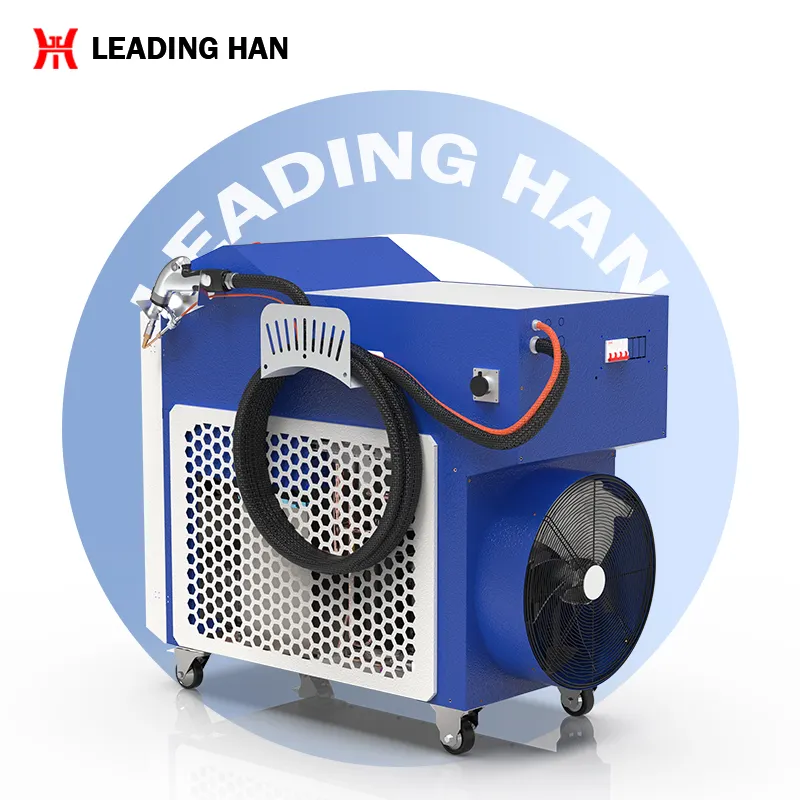
Understanding Fiber, CO2, and Hybrid CNC Laser Cutting Machines
Fiber vs. CO2 vs. Hybrid: Core Differences in Laser Technology
The main differences between fiber, CO2, and hybrid CNC laser cutting machines lie in their light generation methods and what kinds of materials work best with each. Fiber lasers are based on solid state diodes that emit a 1 micrometer wavelength beam. These work really well when cutting reflective metals such as aluminum and copper because they don't reflect back as much energy. On the other hand, CO2 lasers use gas mixtures to generate a longer wavelength around 10.6 micrometers, which cuts through thicker non metallic stuff like acrylics and wood without issues. Some shops go for hybrid systems that combine both technologies, giving operators more options but costing about 15 to 20 percent more upfront according to research from Fraunhofer Institute last year. The extra expense can pay off over time depending on the shop's specific needs though.
Why Fiber Laser Cutting for Sheet Metal Dominates Modern Workshops
Sheet metal fabricators are increasingly turning to fiber lasers because they save around 30 to 50 percent on energy costs while producing much better edges on thinner materials under about 25 mm thick. These lasers don't have the same alignment problems that plague CO2 systems, which means factories spend roughly 70% less time dealing with maintenance issues according to Industrial Laser Solutions from last year. A recent material processing study released in 2024 shows something else interesting too. Fiber lasers work well even when facing highly reflective surfaces since they can manage up to nearly 100% reflectivity. That makes these machines particularly good for working with tricky materials like stainless steel and those special alloys used in aerospace manufacturing where precision matters most.
Industrial Applications of Laser Cutting in Metal Processing by Machine Type
- CO2 lasers: Best for cutting mild steel over 20 mm thick, commonly used in construction equipment manufacturing
- Fiber lasers: Widely adopted in automotive (e.g., body panels) and electronics (e.g., connectors) for high-speed, precision work
- Hybrid systems: Ideal for job shops managing mixed-material batches, such as stainless steel brackets paired with polymer insulators
Hybrid machines reduce the need for multiple tools by 40% in environments with frequent material changes, though they operate 5–8% slower than dedicated single-technology systems.
Key Components That Impact CNC Laser Cutting Machine Performance
Laser Source, Optics, and Cutting Head: The Triad of Precision
A CNC laser cutter really depends on three main parts working together properly: the actual laser itself, the optical system that guides the beam, and the cutting head where all the action happens. When it comes to speed, fiber lasers can cut through materials under 15 mm thickness about three times faster than traditional CO2 lasers. The optics in these machines are pretty amazing too, focusing the laser down to just 0.1 mm spot size. And don't forget about those smart cutting heads that constantly tweak their focal point as they move across warped sheets or irregular surfaces. Manufacturers who install systems with built-in alignment sensors report around 38% less variation in kerf width when compared to older manual calibration methods according to research published last year.
Role of Assist Gas and CNC System in Cutting Efficiency
The combination of assist gases with CNC controls really boosts overall efficiency in metalworking operations. When cutting stainless steel, nitrogen helps keep oxidation at bay, whereas oxygen actually speeds things up when working with mild steel because it supports that exothermic reaction process. Modern CNC systems can maintain gas pressures within tight margins around 0.2 bar difference, which matters a lot for consistent results. These systems also coordinate precisely with the machine's movement axes, leading operators to report material usage rates approaching nearly 98% in some cases. Choosing the right gas mix makes a big difference too - studies from last year showed that proper selection cuts down on unwanted dross formation by roughly two thirds during fiber laser processing applications across various industries.
How Beam Specifications Influence Material Compatibility
The wavelength and power level of a laser beam really affect how versatile a machine can be when working with different materials. Fiber lasers operating at around 1,070 nm get absorbed much better by metal surfaces compared to other types. This makes them especially good for cutting copper alloys which tend to bounce back about 40% more energy from traditional CO2 lasers. What sets these systems apart is their ability to reshape the beam dynamically. Operators can toggle between continuous wave operation at 5 kW for thicker steel plates up to 25 mm, and then switch to pulsed settings at 1 kHz frequency for thinner aluminum sheets as delicate as 0.5 mm thick. Most factories find this range covers roughly 92% of all material thicknesses they encounter day to day, all while maintaining consistent cut quality throughout.
Matching CNC Laser Cutters to Material Types and Thickness Requirements
Cutting Stainless Steel, Aluminum, and Mild Steel with Optimal Precision
Getting good results really comes down to pairing the right laser type with appropriate assist gases based on what material we're working with. For stainless steel, fiber lasers in the range of 1 to 6 kW work best when combined with nitrogen instead of air, which helps prevent those pesky oxidation issues particularly important for parts used in food processing environments. When it comes to aluminum, things get trickier because of its natural reflectiveness. We usually need around 20 to 30 percent extra power compared to steel materials. Take a standard 4 kW setup cutting through 10 mm thick aluminum plates at about 2.5 meters per minute, and we can still maintain pretty tight tolerances within plus or minus 0.1 mm. Mild steel remains one of our most cooperative materials overall. Using oxygen assistance gives us nice clean edges even on thicker pieces going up to 25 mm thickness at speeds around 1.5 meters per minute with 6 kW systems, though there are always tradeoffs depending on specific project requirements.
Laser Power and Thickness Capacity: Matching Output to Material Needs
Research indicates that each additional 500W of fiber laser power increases mild steel cutting capacity by 2.5 mm, whereas aluminum requires 750W per millimeter beyond 8 mm thickness. This laser power-to-thickness ratio directly affects productivity—underpowered systems lead to 23% more nozzle replacements and 15% longer cycle times (Laser Processing Research Group, 2023).
Factors Affecting Cutting Precision, Accuracy, and Edge Cleanliness
- Nozzle alignment within ±0.05 mm prevents beam deflection in intricate designs
- High-purity assist gas (99.95%) reduces slag formation by 40%
- Dynamic focal length adjustments ensure consistent kerf quality across materials with varying thicknesses (20 mm+)
Controversy Analysis: High Power vs. Overkill in Thin-Gauge Metal Cutting
Most manufacturers talk up those big 8 to 12 kW laser systems, but when we look at actual test results from independent labs, something interesting happens. The smaller 3 kW models actually slice through 1 to 3 mm stainless steel about 18 percent quicker while consuming nearly 37 percent less power. Industry experts have observed this trend too, pointing out that around half (that's 52%) of businesses purchasing these high wattage machines are doing it because they think ahead, even though most of them (about 68%) hardly ever work with materials thicker than 15 mm. What does all this mean? Well, companies end up paying roughly $14,000 extra on average for capabilities they simply don't need right now, which creates quite a financial burden for many small to medium sized operations in the sector.
Evaluating Speed, Work Area, and Automation for Production Efficiency
Balancing Cutting Speed and Precision for High-Volume Production
Getting the most out of production means finding just the right mix between how fast things go and how accurate they need to be. When machines run too quickly, the edges of parts tend to suffer, particularly when dealing with intricate designs or materials that are really thin. According to some research from 2024, keeping speeds around 70 to 85 percent of what a machine can actually do helps maintain those tight tolerances we're all looking for, usually within about plus or minus 0.1 millimeters, while cutting down on having to fix mistakes later. High volume manufacturing definitely needs equipment that can adjust its own speed depending on what kind of material is being worked with and the shape of the part itself. These smart adjustments make all the difference in maintaining consistent quality across large batches.
Work Area Size and Power Output: Sizing for Your Operational Scale
Getting the workspace size and laser power right makes all the difference when it comes to avoiding wasted time and money. For smaller shops and medium operations, going with around 1,500 by 3,000 mm table space paired with a 3 to 6 kW laser covers most jobs under 12 mm thickness, handling roughly 90% of what comes through the door. When dealing with thicker materials like 20 mm plus stainless steel or aluminum plates, bigger is better. Industrial scale producers need those massive 4,000 x 6,000 mm tables along with 8 to 12 kW systems just to get the job done properly. Going too big on equipment eats up extra electricity, sometimes as much as 18% more according to Laser Systems Journal last year. But getting it wrong the other way means spending extra on touch ups later down the line which nobody wants.
How CNC Control and Automation Improve Consistency and Throughput
CNC automation these days really boosts production consistency while getting more parts made in the same timeframe, especially when running unattended at night. The integration of automatic material handling systems along with smart path planning has cut down those frustrating wait times between cutting operations by somewhere around 30 to maybe even 45 percent. Some of the newer control systems are starting to incorporate machine learning algorithms that automatically tweak things like laser focus points and gas pressures during operation. This kind of real-time adjustment leads to about 99.5 percent success rate on the first attempt for intricate shapes and patterns. For facilities operating round the clock, safety features such as built-in collision detection combined with remote monitoring via the cloud make it possible to maintain consistent quality throughout all three daily shifts without constant supervision.
Calculating Total Cost of Ownership and Maintenance for CNC Laser Systems
Comparing Initial Investment vs. Energy Efficiency and Maintenance
When looking at the true cost of owning a CNC laser system, most people forget that what they pay upfront is actually just part of the story. Studies show the initial purchase price makes up around 35 to 45 percent of everything else that comes with running the machine long term. Then there's the ongoing expenses too. Energy bills and regular maintenance eat away about 25 to 40 percent over five years. And here's something interesting: fiber lasers tend to drink up roughly 30 to 50 percent less electricity compared to those older CO2 models when doing the same work. According to some recent numbers from 2023, if a shop experiences unexpected shutdowns because the optics go bad or the cooling system fails, it can lose anywhere between $18 and $42 every single hour. That's why smart business owners are starting to set aside around 15 to 20 percent of their original investment right from the beginning. They spend this money on things like regular checkups and switching to newer solid state laser technology that saves both time and money down the road.
Selection Factors: Power Consumption, Downtime, and Service Support
Lasers with high power ratings between 6 and 12 kW definitely cut materials faster than their lower powered counterparts, but they come at a cost. Energy consumption jumps anywhere from 25 to 35 percent when compared to systems rated at just 3 to 5 kW. This makes them especially important consideration for shops working with thin gauge materials. Plants operating around the clock on three shifts typically see maintenance expenses climb by about 12 to 18 percent each year because parts wear out so much quicker. That's why many facility managers are turning toward modular system designs along with solid service contracts from equipment vendors. The latest predictive maintenance software is making a real difference too. These systems can slash unexpected downtime by roughly 40 to 60 percent simply by keeping an eye on laser beam quality and gas flow rates in real time.
Frequently Asked Questions (FAQ)
What are the core differences between fiber, CO2, and hybrid laser cutting machines?
The main differences lie in their light generation methods and suitable materials. Fiber lasers emit a beam that works well with reflective metals; CO2 lasers use gas mixtures suitable for thicker non-metallic materials. Hybrid systems combine both technologies.
Why is fiber laser cutting for sheet metal preferred in modern workshops?
Fiber lasers save energy costs and produce better edges on thinner materials. They also have fewer alignment issues compared to CO2 systems, making them ideal for high precision work.
What factors affect CNC laser cutting machine performance?
The performance is influenced by the laser source, optics, cutting head, assist gas, CNC system, and beam specifications which determine material compatibility and cutting precision.
How does laser power affect cutting capacity?
Every additional 500W of fiber laser power increases mild steel cutting capacity by 2.5 mm, whereas aluminum requires 750W per millimeter beyond 8 mm thickness.
What should be considered when evaluating the total cost of ownership for CNC laser systems?
Consider the initial investment, energy efficiency, maintenance costs, power consumption, potential downtime, and service support to understand the overall expenses.
Table of Contents
- Understanding Fiber, CO2, and Hybrid CNC Laser Cutting Machines
- Key Components That Impact CNC Laser Cutting Machine Performance
- Matching CNC Laser Cutters to Material Types and Thickness Requirements
- Evaluating Speed, Work Area, and Automation for Production Efficiency
- Calculating Total Cost of Ownership and Maintenance for CNC Laser Systems
-
Frequently Asked Questions (FAQ)
- What are the core differences between fiber, CO2, and hybrid laser cutting machines?
- Why is fiber laser cutting for sheet metal preferred in modern workshops?
- What factors affect CNC laser cutting machine performance?
- How does laser power affect cutting capacity?
- What should be considered when evaluating the total cost of ownership for CNC laser systems?