
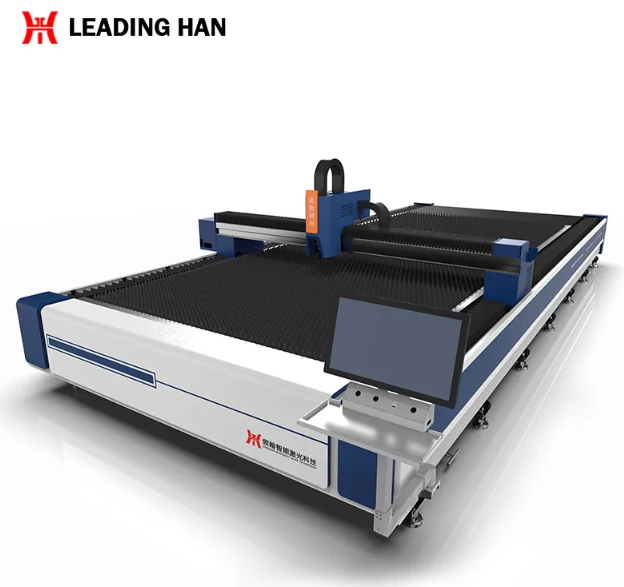
CNC Automation and Intelligent Process Control
Real-Time Adaptive Control Reduces Downtime by Up to 35%
Today's CNC laser cutters come equipped with smart systems that keep an eye on everything going on inside the machine using built-in sensors and some pretty advanced software. These monitoring systems look at what kind of material is being cut, how heat affects it during processing, and how well the machine itself is performing all while making adjustments to things like laser intensity, cutting speed, and where exactly the beam focuses. If something goes off track - maybe the material isn't as thick as expected or the focus starts drifting - the system catches it right away and makes corrections so there aren't any bad cuts or unexpected shutdowns. According to recent findings published last year in Manufacturing Efficiency Reports, these kinds of smart systems can cut down on downtime by around 35 percent when compared with older models. Plus, they have features for predicting when parts might start wearing out, which means maintenance crews get alerts before anything actually breaks down. This lets factories run nonstop most of the time without compromising the quality of cuts even on tough stuff like stainless steel sheets or various aluminum grades.
CAD/CAM Integration Cuts Programming Time by 60% vs. Manual Setup
When CAD and CAM systems work together seamlessly, they completely change how CNC laser cutting operations run by automatically creating those toolpaths. A designer makes a 3D model using CAD software first. Then the CAM system takes that geometry and turns it straight into machine instructions that are already optimized. No need for anyone to write G-code manually anymore. According to research published last year in the Journal of Advanced Manufacturing, this kind of integrated workflow cuts down on setup time about two thirds compared to older methods. Take aerospace parts as just one example these days they take minutes instead of hours to process. The automatic nesting features also help get better material usage when programming happens. Plus when designs move smoothly into production, there's less chance for human mistakes and prototypes come together much faster. This means manufacturers can respond quickly whenever engineers make changes to their specifications.
High-Efficiency Laser Sources and AI-Driven Parameter Optimization
Fiber Lasers Achieve 40–50% Photoelectric Conversion—Triple CO₂ Efficiency
Fiber lasers offer remarkable energy efficiency, turning around 40 to 50 percent of electricity into actual cutting power. That's roughly three times better than old school CO2 systems when it comes to converting electricity to light. The difference really adds up over time too. For shops running non-stop production lines, this can cut energy bills by as much as eighteen dollars per hour while still getting more work done without overheating equipment. Another big plus is the beam quality from these lasers. They handle tricky materials like copper and brass much better than traditional methods, making those shiny surfaces easier to cut cleanly. No need for extra grinding or polishing after the fact since the initial cut is so accurate. This opens up new possibilities for manufacturers working with reflective metals that were previously difficult to process efficiently.
AI-Assisted Parameter Tuning Cuts Trial Cuts by 70% on New Materials
When setting up CNC laser cutters for materials nobody has worked with before, AI takes a lot of the uncertainty out of the equation. Smart algorithms look at things like material thickness, how reflective it is, and how it conducts heat to figure out the best settings for power levels, frequency rates, gas pressure, and where to focus the beam. This means companies end up making about 70% fewer test cuts when working with new metal mixes or composite materials. The system keeps watching what's happening during actual cuts too. If something starts going off track, it can tweak the focal point or adjust how fast the machine moves right in the middle of cutting. For shops running big batches of over 10,000 identical parts, this helps keep the edges looking consistent throughout the whole run. Industry insiders say that after installing these systems, most manufacturers notice their setup times drop by around 22%, while they also waste about 15% less material overall.
Precision Engineering and Digital Nesting for Material Savings
Optimized Nesting Algorithms Improve Sheet Utilization by 12–18%
Digital nesting software really boosts how much material gets used efficiently when working with sheet metal layouts. Think of it as solving a complex puzzle where parts are placed just right to cut down on wasted space and reduce what gets lost during cutting. Studies from factories show these systems can get around 12 to 18 percent better usage of sheets compared to old fashioned manual methods. That makes a big difference in costs, particularly for projects where raw materials account for roughly 40 to 60 percent of total spending, like those involving steel or aluminum fabrication work.
A comparative analysis demonstrates the impact:
| Layout Method | Average Material Utilization | Waste Reduction Potential |
|---|---|---|
| Traditional Manual | 70–75% | Baseline |
| AI-Optimized Nesting | 82–88% | 12–18% improvement |
Advanced nesting incorporates kerf compensation, dynamic part rotation, and thermal distortion modeling to hold tolerances within ±0.1mm. Reduced scrap also supports sustainability goals—shoppers report avoiding roughly 1.2 tons of CO₂ emissions annually per system. Industry-recognized studies link these gains to ROI timeframes of 6–9 months in high-volume environments.
Dynamic Motion Control and Cycle-Time Reduction in CNC Laser Cutting Machine Workflows
Motion control systems that coordinate laser positioning, material handling, and cutting sequences can cut down on cycle times significantly. With modern CNC platforms, servo motors work together with path planning algorithms to minimize wasted head movements, which cuts down non-cutting transit time by around 40% according to Motion Engineering Studies from last year. What this means is that machines can maintain their speed while working on complicated shapes without slowing down at corners, keeping the cutting process smooth throughout. The addition of integrated sensors gives real time data back to the control system so it can tweak acceleration settings as needed when dealing with warped materials or uneven surfaces, preventing those annoying quality problems caused by vibrations. Factories that have adopted these systems often see workflow improvements over 50%, mainly because there's less downtime between operations and smoother transitions between different phases of production. When mechanical pauses disappear, high power fiber lasers stay at their best efficiency levels, meaning manufacturers actually save money on energy costs per part produced.
FAQs
What are the benefits of CNC laser cutter automation?
Automation in CNC laser cutters reduces downtime by making real-time adjustments, predicts maintenance needs, and ensures high-quality cuts even on difficult materials.
How does CAD/CAM integration improve CNC operations?
It automates toolpath creation, reducing setup time and minimizing errors, allowing for faster and more efficient production.
Why are fiber lasers more efficient than CO2 lasers?
Fiber lasers have a higher photoelectric conversion efficiency, leading to significant energy savings and better performance on reflective metals.
How does AI assist in CNC laser cutting?
AI optimizes parameter settings, reduces the need for trial cuts on new materials, and maintains consistency in large production runs.
What advantages do optimized nesting algorithms offer?
They improve material utilization, reduce waste, and support sustainability efforts by achieving better sheet layout efficiencies.
How does dynamic motion control enhance CNC laser cutting?
It reduces cycle times by optimizing motion sequences, leading to faster workflows and cost savings on energy and materials.
Table of Contents
- CNC Automation and Intelligent Process Control
- High-Efficiency Laser Sources and AI-Driven Parameter Optimization
- Precision Engineering and Digital Nesting for Material Savings
- Dynamic Motion Control and Cycle-Time Reduction in CNC Laser Cutting Machine Workflows
-
FAQs
- What are the benefits of CNC laser cutter automation?
- How does CAD/CAM integration improve CNC operations?
- Why are fiber lasers more efficient than CO2 lasers?
- How does AI assist in CNC laser cutting?
- What advantages do optimized nesting algorithms offer?
- How does dynamic motion control enhance CNC laser cutting?