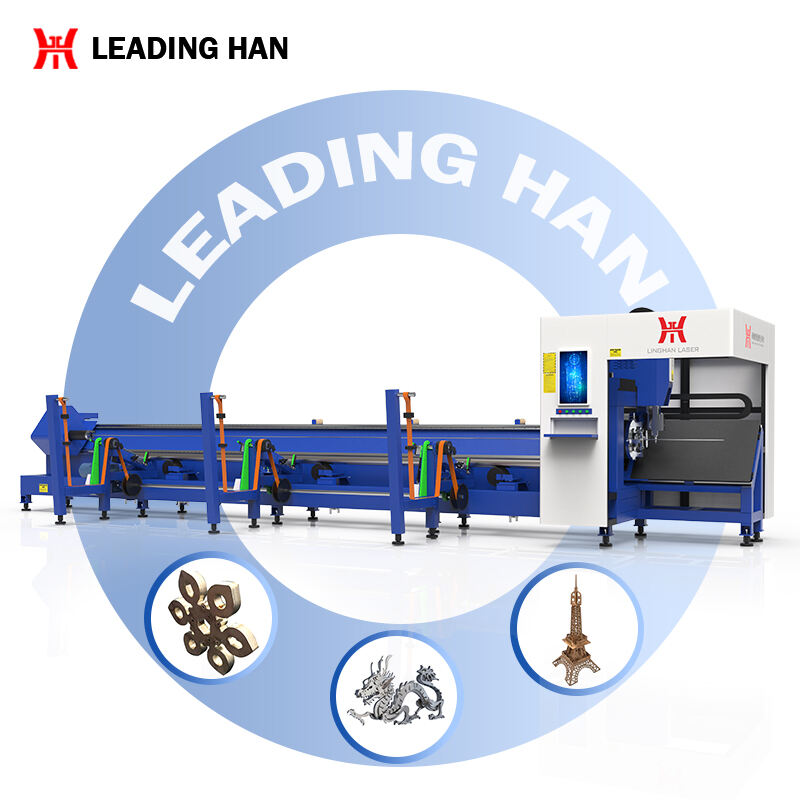
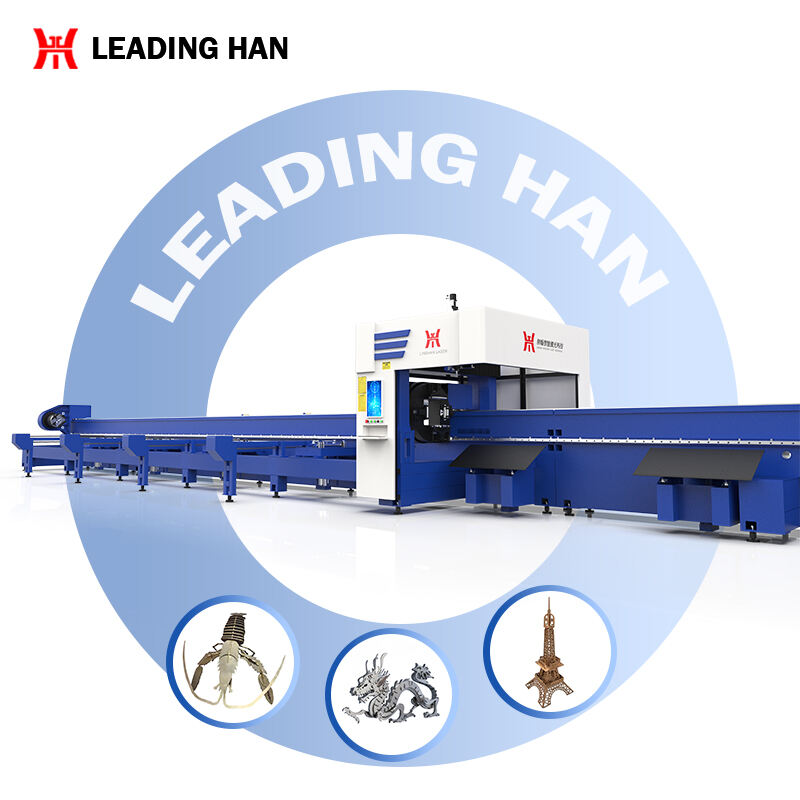
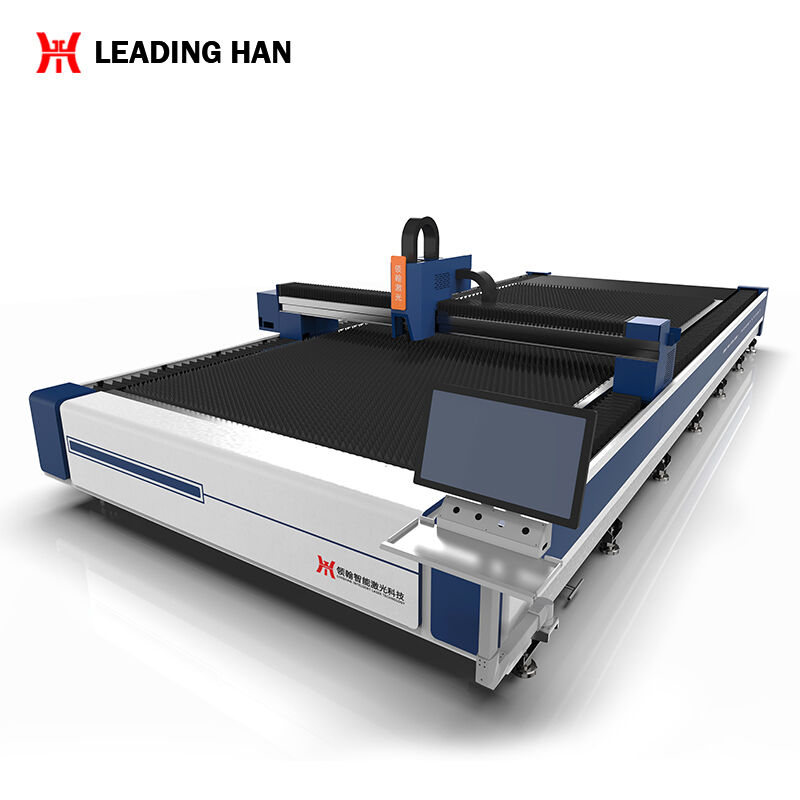
The pursuit of efficient, high-quality cutting of aluminum alloys drives innovation in sheet metal fabrication. A dedicated CNC laser cutting machine for aluminum is not merely a luxury but a necessity for shops serious about competing in markets like automotive, aerospace, and high-end consumer hardware. Aluminum’s material properties—namely its high reflectivity to certain laser wavelengths and excellent thermal conductivity—present distinct processing challenges. Traditional CO2 lasers struggled with energy absorption, leading to inefficient cutting and poor edge quality. The advent of high-brightness fiber lasers revolutionized this field. Their shorter wavelength is more readily absorbed by aluminum, transforming the cutting process into one of remarkable precision and speed. This technical evolution means manufacturers can now achieve cutting speeds for thin-gauge aluminum that rival or surpass other thermal cutting methods, all while maintaining a small kerf width and exceptional detail resolution, essential for parts with complex geometries or tight tolerances.
The core of an effective aluminum cutting system lies in the synergy between the laser source, the motion platform, and the process gas dynamics. A high-quality fiber laser provides a stable, focused beam, but the machine's mechanical integrity is equally crucial. Any vibration or inaccuracy in the XY motion system will be reflected in the cut edge, potentially causing defects. Modern machines for this application employ rigid, dual-drive gantry systems riding on precision linear guides or齿轮齿条 drives, capable of high accelerations and rapid positioning to minimize non-cutting time. This mechanical stability ensures the laser head moves precisely along the programmed contour, which is critical when producing interlocking parts or components for assembly where fit is paramount. Furthermore, the cutting head technology is specialized. Using the correct nozzle design and maintaining a consistent stand-off distance is vital to control the gas flow that ejects molten material from the kerf. For aluminum, high-pressure nitrogen or clean dry air is typically used as an辅助气体 to prevent oxidation, resulting in a bright, clean edge that often requires no post-processing.
Real-world application scenarios highlight the transformative impact of this technology. In the automotive industry, aluminum is extensively used for lightweight structural components, heat sinks, and decorative trims. A CNC laser cutting machine for aluminum allows a parts supplier to swiftly switch between cutting complex brackets from 3mm alloy sheet and perforating thin-gauge aluminum for grilles, all with the same machine setup and with minimal downtime for tooling changes. This flexibility is invaluable for just-in-time manufacturing. Similarly, in the production of kitchen and bathroom hardware, where brushed or anodized aluminum is popular, the laser's ability to produce smooth, burr-free edges directly from the machine significantly reduces finishing labor and scrap rates caused by secondary deburring operations. The non-contact nature of laser cutting also eliminates the risk of mechanical distortion or contamination of the material surface, preserving its quality for subsequent anodizing or painting.
Ultimately, investing in a CNC laser cutting machine for aluminum is an investment in capability, quality, and market responsiveness. It empowers manufacturers to take on a broader range of projects, improve their product aesthetics and functionality, and operate more efficiently. The key to unlocking these benefits lies in partnering with a provider who offers not just the hardware, but the deep process knowledge required to optimize it. Parameters such as laser power, cutting speed, gas pressure, and focal point position must be meticulously tuned for each specific aluminum alloy and thickness to avoid issues like excessive dross or heat input. This is where comprehensive support from equipment experts becomes a critical component of the investment. To explore how a tailored laser cutting solution can address your specific aluminum fabrication challenges and to receive a detailed technical proposal, we encourage you to reach out to our engineering team for a consultation.