
Introduction
Gearboxes stand as the core transmission component of all industrial mechanical equipment, and their stable operation is the cornerstone of uninterrupted production in manufacturing industries. For laser cutting machines, which are widely used in precision machinery, sheet metal manufacturing, auto parts, and kitchen and bathroom hardware production, the gearbox directly determines the equipment’s cutting precision, running speed and overall operational efficiency. A well-maintained gearbox can not only extend the service life of laser cutting equipment by 30% or more but also ensure consistent processing accuracy, avoiding costly production downtime and defective product losses. This article compiles essential and professional gearbox maintenance guidelines, tailored to the operational characteristics of industrial laser equipment, to provide practical maintenance references for manufacturing enterprises worldwide that use laser intelligent equipment.
Core Principles of Industrial Gearbox Maintenance
The core of gearbox maintenance lies in preventive protection and scientific operation, abiding by three fundamental principles. First, the principle of "oil as the core": lubricating oil is the blood of the gearbox, and the selection of oil products must match the equipment’s working load, speed and working environment, such as high-temperature resistant lubricants for high-power laser cutting machines working in continuous production. Second, the principle of "regular inspection": gearbox failures are mostly cumulative, and timely detection of minor abnormalities such as slight oil leakage, abnormal noise and temperature rise can avoid major malfunctions. Third, the principle of "adaptive maintenance": different industrial scenarios, such as the high-dust sheet metal processing workshop and the precision auto parts production clean room, require differentiated maintenance plans for gearboxes, which is also the key to adapting to the diverse working conditions of laser cutting equipment in different industries.
Gearbox Maintenance Specialized for Laser Cutting Equipment
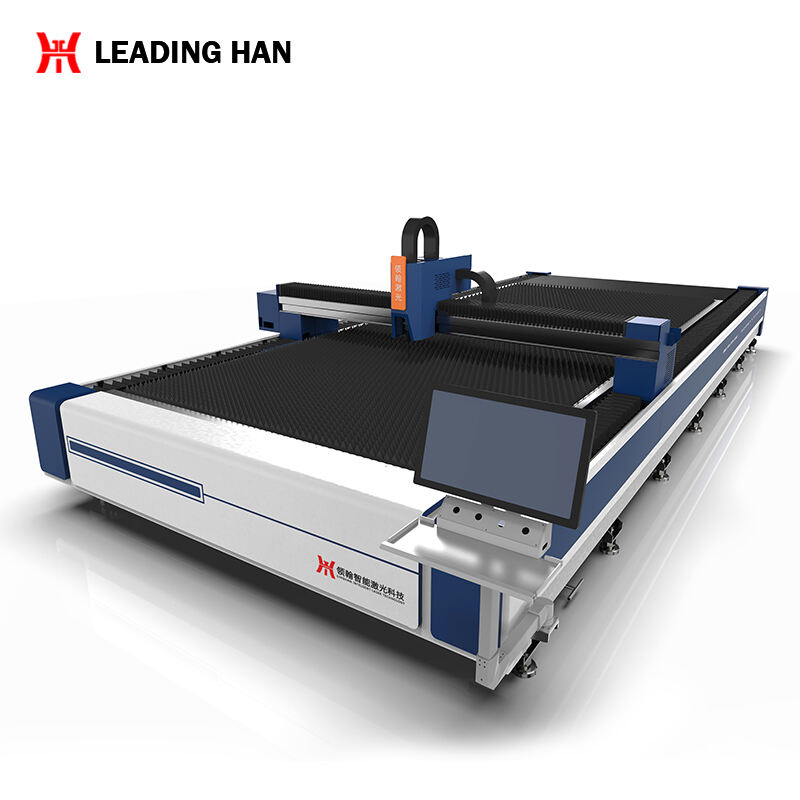
Laser cutting machines, especially high-power and plate-tube integrated laser cutting equipment, have high requirements for the gearbox’s dynamic response and precision stability, so their maintenance has unique professional requirements. First, for the gearboxes of high-power laser cutting machines (1500W to 80000W), the torque load is large during high-speed cutting, so it is necessary to check the gear meshing clearance every 3 months, and the clearance error must be controlled within ±0.05mm to ensure cutting precision. Second, the tube cutting laser equipment’s gearbox is often in a reciprocating motion state, so the sealing performance of the shaft end must be inspected regularly to prevent dust and metal chips from entering the box body, which is the main cause of gear wear and jamming. Third, for laser welding and cutting integrated equipment, the gearbox is affected by welding high temperature for a long time, so it is necessary to install additional heat dissipation components and clean the heat dissipation fins of the gearbox weekly to avoid oil aging caused by high temperature.
Routine Inspection and Preventive Maintenance Protocols
Daily and periodic preventive maintenance is the most effective way to reduce gearbox failure rates, and enterprises should formulate a standardized inspection checklist based on the operating hours of laser cutting equipment. For daily inspection (before equipment startup), focus on checking the oil level of the gearbox, the tightness of the oil seal and the absence of abnormal noise during idle operation; record the operating temperature of the gearbox every 4 hours during production, and the normal working temperature should not exceed 80℃. For periodic maintenance, the first-level maintenance (every 1000 operating hours) includes oil replacement, filter cleaning and bolt retightening; the second-level maintenance (every 5000 operating hours) includes comprehensive disassembly inspection, gear surface wear detection, bearing replacement and precision calibration. All maintenance records must be filed in detail to form a complete equipment health file, which provides a basis for subsequent maintenance and equipment upgrade.
Troubleshooting and Emergency Maintenance Tips
Even with strict preventive maintenance, gearboxes may still have sudden failures during the operation of laser cutting equipment, and accurate and rapid troubleshooting is crucial to reduce production loss. When abnormal noise occurs in the gearbox, it is necessary to stop the machine immediately and judge the fault point: a sharp metal friction sound is mostly caused by gear tooth wear or bearing damage, and a dull rumble is often due to excessive gear meshing clearance or insufficient lubricating oil. When oil leakage is found at the flange connection, the machine should be stopped for sealing replacement in time, and the sealing ring material must be resistant to oil and high temperature to avoid secondary leakage. For minor faults such as slight oil shortage, it is necessary to add the same model of lubricating oil in time, and never mix different types of oil products, which will cause chemical reactions and damage the internal components of the gearbox.
Conclusion
Gearbox maintenance is not only a simple daily operation but also a systematic work related to the overall production efficiency of the enterprise, especially for laser cutting equipment that pursues high precision and high speed. Adhering to scientific maintenance principles, formulating specialized maintenance plans for laser equipment characteristics, and implementing standardized routine inspection and fault handling processes can ensure the stable operation of the gearbox, and then maximize the performance of laser intelligent equipment. For manufacturing enterprises engaged in precision processing, attaching importance to gearbox maintenance is equivalent to grasping the key to reducing production costs and improving product quality, which is also an important guarantee for the continuous and efficient operation of the entire production line.