
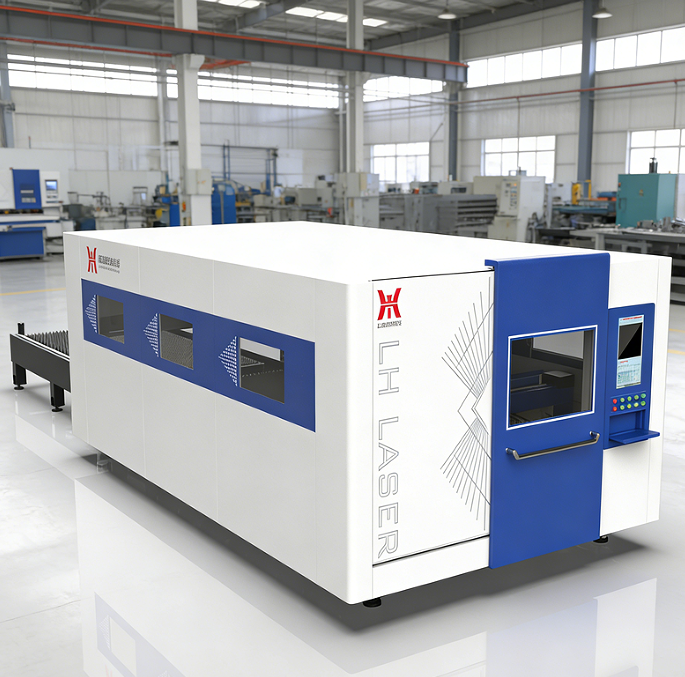
How CNC Laser Tube Cutting Machines Work
Core Components and Laser Cutting Mechanism
Inside each CNC laser tube cutting machine sits a powerful fiber laser that creates a focused beam using optical amplification techniques. The beam moves across mirrors and lenses until it hits the metal surface, where it heats the material so fast it either melts or turns directly into vapor. As the machine's CNC system directs the laser head along specific routes programmed by operators, it cuts through tubes with incredible precision, leaving behind kerfs about 0.1 mm wide while affecting very little surrounding area. These machines rely on several key parts working together seamlessly for optimal performance.
- A resonator generating the laser beam
- Precision optics focusing the beam to optimal spot size
- Rotary chucks securing and rotating tubes for full 360° access
- Seam-detection sensors that identify weld locations to avoid cutting errors
- Assist gas nozzles delivering nitrogen, oxygen, or compressed air to eject molten material and ensure clean, oxide-free edges
Role of CNC Control in Tube Geometry and Motion
At the heart of modern manufacturing sits the Computer Numerical Control (CNC) system, which basically takes those CAD designs and turns them into exact movement instructions for machines. These systems work their magic by syncing the rotation of tubes with the movement of laser heads through those fancy high resolution servo motors. This allows for pretty impressive 3D shaping across all sorts of shapes including circles, squares, rectangles and even ovals that would be tough to handle otherwise. When it comes to making those tricky angled cuts or miters, the CNC doesn't just sit there idle. Instead, it makes real time adjustments to ensure everything lines up correctly during production runs.
- Rotational speed, maintaining consistent linear velocity across varying diameters
- Lens focal position, ensuring uniform energy density at all cut points
- Assist gas pressure, calibrated in real time based on material type and thickness
This synchronization delivers ±0.05 mm dimensional accuracy—from thin-wall HVAC conduits (as low as 0.5 mm wall thickness) to heavy structural pipes up to 20 mm thick. Automated calibration routines further compensate for material runout or thermal drift, eliminating manual setup delays and enhancing repeatability.
Key Advantages of CNC Laser Tube Cutting Machines
Superior Precision and Minimal Thermal Distortion
With CNC laser tube cutting, we can get down to micron level accuracy around ±0.1mm tolerance using non contact fiber lasers. This approach gets rid of all that mechanical stress and tool wear problems that plague traditional methods. Our proprietary thermal management system keeps things running smoothly too. We actively cool the optics and modulate power adaptively so thin walled tubes don't warp during processing. The result? Clean cuts with almost no burrs or dross buildup. This cuts down on those time consuming secondary finishing steps by roughly 70% when compared against plasma cutting or mechanical saws. For stuff like medical device frames or parts for robotic arms, this kind of precision really matters. Even small inconsistencies can lead to big issues in performance testing or run afoul of strict regulations in these industries.
High-Speed Processing for Complex 3D Tube Profiles
Modern cutting systems handle complex shapes like ellipses, compound angles, and interlocking holes at speeds that blow away what humans or older machinery can manage. The latest generation of three axis machines works wonders by combining standard X/Y/Z movements with constant tube spinning, so manufacturers can create complicated parts without switching setups multiple times. What really makes these systems stand out is their built-in computer design software. This smart tech rearranges how materials are laid out and plans the best cutting order, which means programmers spend about half as much time on setup tasks compared to traditional methods. Material waste drops somewhere between ten and fifteen percent too. For businesses needing quick prototypes or making small batches of different products, these advantages are huge. Think about architects working on decorative metal installations, car makers building frame components, or furniture designers crafting bespoke pieces—all benefit from this kind of precision and speed.
Critical Selection Criteria for Industrial Buyers
Selecting the optimal CNC laser tube cutting machine requires balancing technical capabilities with long-term operational needs. Industrial buyers must evaluate performance factors that directly impact throughput, flexibility, and total cost of ownership—not just upfront price.
Laser Power, Tube Diameter/Shape Compatibility, and Material Range
The amount of laser power makes all the difference when it comes to cutting speed and what thickness materials can be handled. Systems rated at around 3 kW do a good job cutting stainless steel that's about 6 mm thick and aluminum up to 8 mm. When we move up to machines with 6 to 8 kW power, they can tackle carbon steel tubes that are actually thicker than 12 mm. But there's a catch though. Higher wattage means more electricity usage and generally more complicated maintenance requirements. So it really pays off to pick a system that matches most closely with what kind of work gets done regularly in production. Mechanical compatibility matters just as much too. Need to check if the machine works with different diameters from say 10 mm right up to 500 mm. Shapes matter too. Does it handle round pieces? Square ones? Rectangular or even oval shapes? And what about materials? Some machines struggle with coated metals, galvanized surfaces, or tough alloys such as DOM steel and 6061-T6 aluminum. Machines that have limited compatibility options end up restricting what products can be made in the future and often lead to expensive solutions down the road when trying to make adjustments later on.
Software Integration, Automation Features, and Service Support
The 2023 Global Metal Fabrication Tech Report shows that when CAD/CAM systems work together seamlessly, they cut down programming mistakes somewhere between 30% and 50%. When shopping around, look for machines that actually handle standard file formats natively (think DXF, STEP, IGES) rather than relying solely on post-process translations. Also check if the system comes with smart nesting capabilities built right in. The shop floor really appreciates automation these days too. Features such as robots handling tubes automatically, sensors keeping tabs on heat levels in real time, and logic that prevents collisions all mean less hands-on work for operators while making things safer overall. Service matters a lot too. Good vendors offer remote troubleshooting options, promise parts within two business days max, and send out techs who know exactly what makes our particular machine tick. For facilities operating round the clock without breaks, how fast and reliable the supplier is becomes the number one consideration after specs and price tags.
Real-World Applications Across Manufacturing Sectors
Automotive Chassis, Furniture Frames, and Construction Structures
The CNC laser tube cutting process makes it possible to create lightweight structures that maintain their integrity across many different industries. Take the automotive sector for instance, manufacturers can now produce things like chassis subframes and roll cages with really tight angular tolerances while still getting about a 15% reduction in overall weight without compromising structural strength. Furniture producers find this tech particularly useful too since they can switch quickly between various custom tube designs. This means companies can offer personalized tables, chairs and shelving units without having to invest in expensive tooling upfront. And when it comes to construction projects, these machines deliver consistent results every time for items such as handrails, stair components, and modular support frameworks. The dimensional accuracy helps ensure everything fits together safely and meets building codes, even when dealing with massive quantities of identical parts needed for large scale installations.
Aerospace Components and Custom Architectural Metalwork
CNC laser tube cutting has become essential for aerospace makers working on those critical components like hydraulic lines, engine mounts, and landing gear brackets. These systems can hit under 0.1 mm accuracy when cutting through tough materials such as titanium Grade 5 or 7075 aluminum tubes that are sometimes just 0.8 mm thick. What makes this technique stand out is that it doesn't touch the material directly, so there's no risk of warping surfaces or creating tiny cracks that could shorten component lifespan. Plus, everything stays within AS9100 standards for tracking purposes. Architects love what lasers bring to metal fabrication too. Curved building exteriors, complex screen designs, even artistic installations can all be made in one go without worrying about tool marks or shape distortions during production. The fact that laser cutting leaves surfaces clean means many finished pieces don't need extra polishing or preparation before applying coatings. This saves both time and money, especially important when dealing with architectural features that will be on full display.