
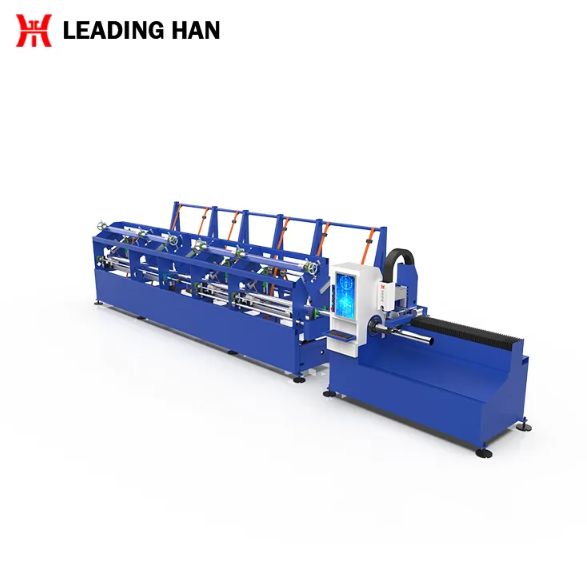
Laser Power and Beam Quality Requirements for Thick-Plate Cutting
Selecting the right laser metal cutting machine for thick plates demands precise power calibration and exceptional beam focus. Higher kilowatt (kW) outputs enable deeper penetration, but raw power alone can’t guarantee quality cuts—beam quality and thermal management are equally decisive.
Matching Fiber Laser kW Output (8–12 kW) to Plate Thickness (20–40 mm+ Carbon Steel)
Lasers operating between 8 and 12 kW strike just the right balance when it comes to cutting through carbon steel plates ranging from 20 to 40 mm thick and even thicker materials. From what we see across the industry, anything below this range like a 6 kW laser simply can't handle plates over about 25 mm before running into problems with incomplete cuts and noticeable kerf variations that sometimes go past 0.5 mm. On the flip side, throwing too much power at thin material isn't smart either since it burns through energy reserves faster and wears down nozzles quicker without actually making those cuts any better. Take a look at the numbers in the table that follows these details. These figures represent actual test results gathered during regular shop operations.
| Laser Power | Max Effective Thickness | Cutting Speed | Kerf Precision |
|---|---|---|---|
| 8 kW | 30 mm carbon steel | 1.2 m/min | ±0.15 mm |
| 10 kW | 35 mm carbon steel | 1.8 m/min | ±0.12 mm |
| 12 kW | 40+ mm carbon steel | 1.0 m/min | ±0.20 mm |
Always verify your material grade, surface condition, and required dimensional tolerances before finalizing kW specifications—especially when cutting structural or pressure-vessel-grade steels.
Why High Power Density and Excellent Beam Quality (BPP < 2.5) Matter More Than Raw kW Alone
The Beam Parameter Product, or BPP for short, actually tells us more about how good a laser will cut than just looking at its maximum power rating in kilowatts. When the BPP stays below 2.5, the laser can focus its energy down to spots smaller than 50 microns. This results in much cleaner cuts with minimal heat affected areas (less than 0.3 mm) and makes piercing through 30 mm carbon steel about 40% quicker than what we see with those high power systems that have a BPP over 4.0. The tighter focus has other benefits too. It cuts down on dross formation by around 60 percent, helps prevent warping issues in big structural parts, and generally gives better straight edges. Anyone evaluating laser cutting machines should really check out the beam collimation during testing. That's when we start seeing the real differences between what manufacturers promise on paper versus what actually happens on the shop floor.
Essential Mechanical and Thermal Design Features of a Robust Laser Metal Cutting Machine
Precision Height Sensing and Adaptive Piercing for Reliable Through-Thickness Starts on Thick Plates
Capacitive height sensors keep the nozzle about half to one and a half millimeters away from the plate while piercing, which is really important for thicker carbon steels between twenty and forty millimeters that tend to warp when heated. When paired with smart piercing software, these sensor systems can tweak the power levels and gas pressure as they go, reacting to how thick the material actually is at that moment. The combination works wonders in several ways it stops nozzles from crashing into things, saves expensive lenses from getting damaged by backfired energy when materials break through, and overall just makes everything work better in practice than theory suggests.
- 60% reduction in slag adhesion, achieved through optimized pre-pierce dwell times
- 25% faster piercing cycles, enabled by intelligent energy modulation
- Consistent full-thickness penetration—even on warped or uneven stock
Active Cooling and Thermal Stability Systems to Prevent Lens Drift and Maintain Cutting Consistency
Laser heads that use water cooling keep their optical components stable within about half a degree Celsius. This helps prevent focal shifts which are actually the main reason why cuts get wider at the edges and develop tapers when machines run for long periods. The system has three stages of thermal control including cooling through copper waveguides, insulation for the optics using ceramics, plus collimators that adjust based on temperature changes. These features together keep the laser beam aligned within five micrometers throughout an entire eight hour shift on the factory floor. When lenses heat up even one degree past what they should be, it causes problems too. For example, cutting 30mm thick steel starts showing angles off by 0.15 degrees from perfect straightness. So while many think simply increasing power output matters most, real world results show that keeping temperatures tightly controlled is actually what makes all the difference when trying to consistently achieve those tiny measurement tolerances needed for serious industrial work.
Material-Specific Cutting Performance and Assist Gas Optimization
Oxygen, Nitrogen, and Hybrid Gas Strategies for Clean, Dross-Free Cuts in Steel, Stainless, Aluminum, and Copper up to 40 mm
Getting clean cuts without dross when working with thick plates up to 40mm really depends on picking the right assist gases for each material, not just cranking up the laser power. Carbon steel works well with oxygen because it creates those helpful exothermic reactions that make cutting faster. But watch out! The pressure needs to stay within 12 to 20 bar range otherwise we end up with too much slag buildup. Stainless steel is another story entirely. We need nitrogen that's at least 99.95% pure and flowing between 18 and 25 bar to keep those edges looking good and maintain corrosion resistance. For aluminum jobs, nitrogen or filtered compressed air usually does the trick best. Flow rates should be around 25 to 35 cubic meters per hour. Too little and molten metal sticks to the cut area, too much and things get turbulent. Copper presents special challenges because of how reflective and conductive it is. At least 22 bar of nitrogen helps stabilize the cut and keeps those dangerous back reflections at bay. Some shops have found success mixing gases too. A blend of 70% nitrogen and 30% oxygen for carbon steel cuts can cut down on dross formation by about 40% while still keeping most of the speed benefits of pure oxygen. Just remember to match all these gas settings with what the machine actually wants. Nozzles, flow paths, and laser profiles all matter. When parameters don't line up properly, the whole system becomes unstable aerodynamically, and no amount of fancy beam tech will fix that problem.
FAQ
What is the importance of beam quality (BPP) in laser cutting?
Beam quality or Beam Parameter Product (BPP) is crucial in laser cutting because it determines how effectively the laser can concentrate its energy into a fine spot. A low BPP, typically under 2.5, allows for tighter focusing and cleaner cuts, minimizing the heat-affected zone and reducing dross formation significantly.
How does assist gas selection affect the quality of laser cuts?
The choice of assist gases, such as oxygen, nitrogen, and air, plays a vital role in achieving clean, dross-free cuts. Each material requires specific gases and pressures to optimize cutting performance, affect speed, reduce slag, and maintain the integrity of the material being cut.
Why is thermal stability critical in laser cutting?
Thermal stability is essential in maintaining consistent cutting performance because temperature fluctuations can cause shifts in focus, leading to wider cuts, increased tapering, and deviation from desired cutting angles. Effective cooling and thermal management systems help stabilize the laser's optical components, ensuring precise results.